Getting accepted is the beginning
A worked example of the problems that appear after an app ships.
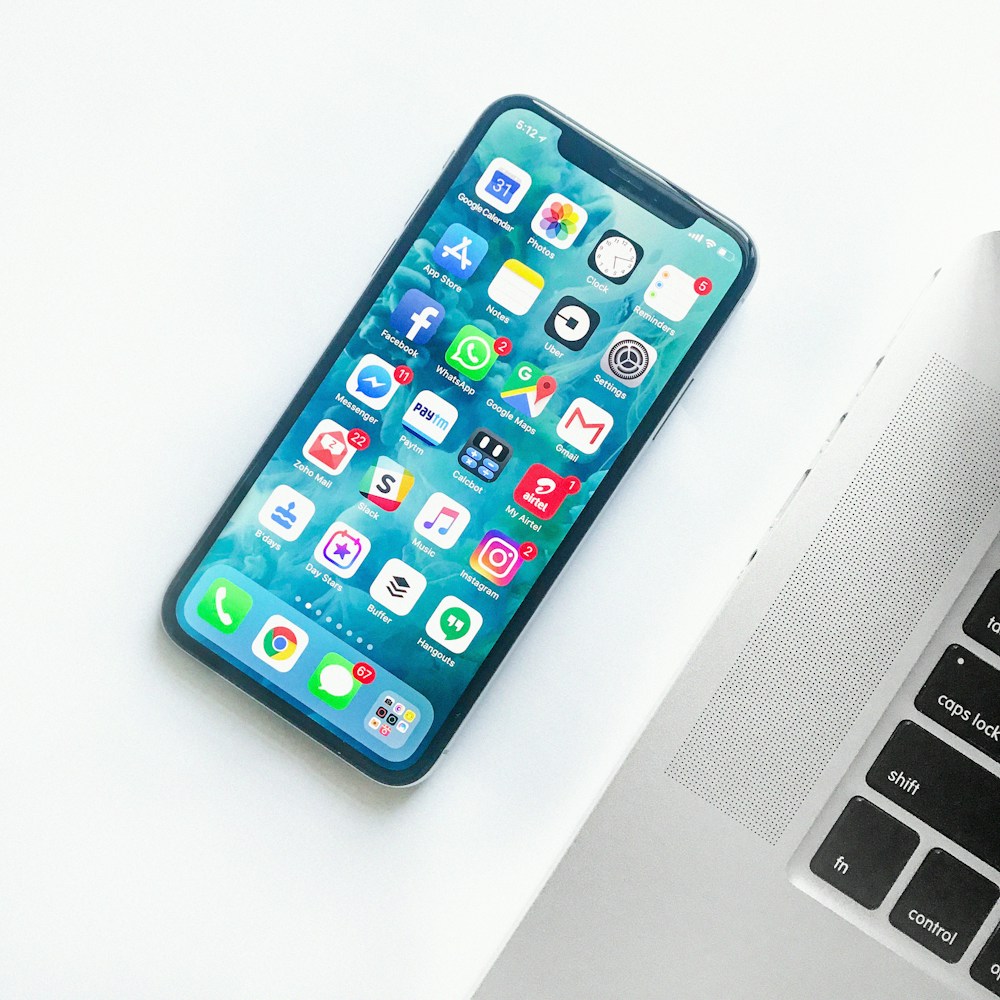
A submission is one part of the launch
In this illustrative scenario, a founder reaches a third submission because permissions and deletion are unfinished. This is a scenario, not an estimate of how many submissions apps usually need. The App Store agent can inspect the configuration and source. The Legal agent can compare data behavior with document drafts. Actual submission and device checks still happen outside Bisc.
Visitors need a reason to try
Suppose the landing page receives 1,000 visits and 120 people sign up. That is a 12% sign-up rate in this example. Before changing the headline, check whether visitors are the right audience and whether the promise describes a real feature. Marketing can prepare new copy and post drafts; measure the effect with your analytics.
Sign-ups need a first result
If only 12 of those 120 people reach the activation action, the example activation rate is 10%. Onboarding can inspect the steps that ask for information too early. Design can inspect the clarity of controls and missing states. These numbers describe a hypothetical funnel, not customer results.
Keep the app working
Bugs and Security help examine failed requests, ownership checks and sensitive inputs. A launch needs all of these parts. Fix a specific issue, verify it in the app and compare the next measured funnel with the previous one.